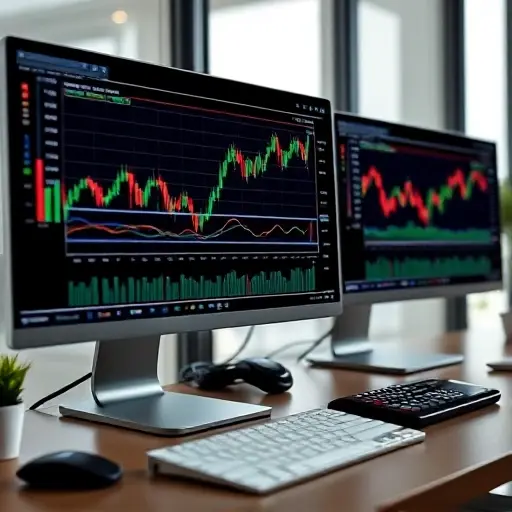
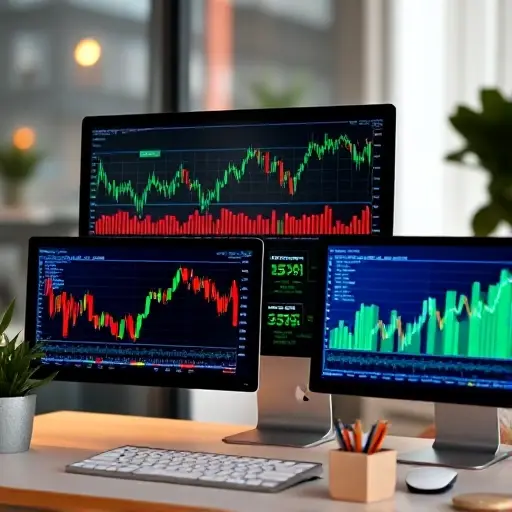
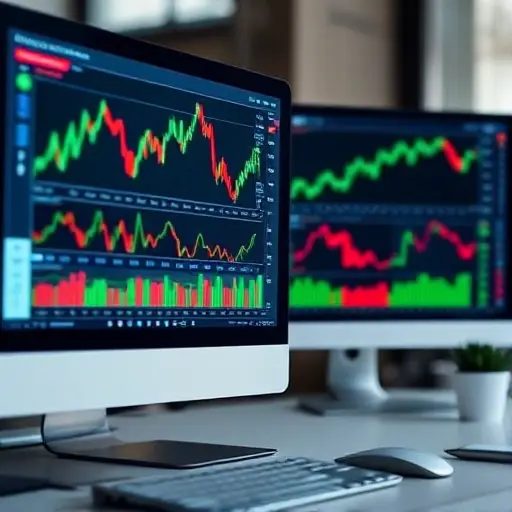
Explore how Google Finance AI trading technology combines artificial intelligence with smart financial strategies to help understand automated investment platforms and AI-powered trading solutions.
Google Finance AI represents a category of automated investment platforms that utilize artificial intelligence to analyze market data, identify patterns, and execute trading strategies. These systems process vast amounts of financial information in real-time to support investment decisions.
The Google Finance AI app uses machine learning algorithms to process market trends, historical data, and financial indicators to identify potential trading opportunities across multiple asset classes.
The Google Finance AI trading bot operates 24/7, executing strategies based on pre-defined parameters and real-time market conditions without requiring constant manual supervision.
Google AI Finance platforms analyze millions of data points including price movements, volume patterns, news sentiment, and economic indicators to inform trading strategies.
The system can manage multiple asset types simultaneously, helping distribute investment across various markets to balance potential returns and exposure.
The Google Finance AI app download provides mobile functionality, allowing users to monitor portfolio performance and system activity from smartphones and tablets.
Built-in protocols help set limits on position sizes, stop-loss parameters, and exposure levels to manage potential downside in volatile market conditions.
Understanding the operational framework of automated investment platforms helps users make informed decisions about incorporating AI technology into their financial strategies.
The Google Finance AI login process involves creating an account, completing verification requirements, and connecting to supported trading platforms or brokers.
Users define their investment preferences, risk tolerance levels, preferred asset classes, and trading parameters that guide the AI system's decision-making process.
The Google Finance AI investment system continuously scans markets, analyzes technical indicators, monitors news events, and identifies patterns matching the configured strategy.
When conditions align with strategy parameters, the system executes trades automatically while providing real-time updates, performance metrics, and portfolio analytics.
Automated investment platforms serve various use cases across different investor profiles and trading objectives. Understanding these applications helps clarify how AI technology fits into broader financial strategies.
The platform processes technical indicators, chart patterns, and statistical models to identify trends across equity markets, forex pairs, commodities, and cryptocurrency exchanges.
Google Finance AI inv systems can rebalance portfolios automatically based on performance metrics, maintaining target allocation percentages across different asset categories.
AI algorithms scan news feeds, social media trends, and financial reports to gauge market sentiment and incorporate this qualitative data into quantitative trading models.
Users can test trading strategies against historical data to evaluate potential performance before deploying them with real capital in live market conditions.
When evaluating any automated investment platform, understanding safety measures, potential concerns, and due diligence requirements is essential for informed decision-making.
Research the Google Finance AI review ratings, user testimonials, and independent assessments from financial technology analysts before committing funds.
Verify that any platform operates within applicable financial regulations and partners with licensed brokers or exchanges in your jurisdiction.
Be cautious of Google Finance AI scam claims or unrealistic promises. Legitimate platforms provide transparent information about methodologies, fees, and potential outcomes.
Ensure the platform implements encryption protocols, secure authentication methods, and follows industry standards for protecting user information and financial data.
Many platforms offer a Google Finance AI for trading free demo or limited trial. Testing with minimal capital helps evaluate functionality before scaling investment.
Even with automation, regularly review performance metrics, transaction history, and market conditions to ensure the system operates as expected.
Common questions about Google Finance AI and automated investment platforms answered to help you understand this technology better.
Google Finance AI refers to automated investment platforms that use artificial intelligence and machine learning algorithms to analyze financial markets, identify trading opportunities, and execute strategies. These systems process large datasets including price movements, technical indicators, and news sentiment to support investment decisions across various asset classes.
The platform uses AI algorithms to continuously monitor financial markets, analyze patterns, and execute trades based on pre-configured strategies. It processes technical analysis, fundamental data, and market sentiment to identify opportunities matching user-defined parameters. The system operates automatically once configured, though users should maintain oversight of performance and settings.
Automated investment platforms suit different investor profiles depending on their goals, risk tolerance, and experience level. These systems work for those comfortable with technology-driven approaches and who understand that all trading involves potential losses. Success depends on proper configuration, realistic expectations, and ongoing monitoring rather than passive reliance on automation.
The legitimacy of any automated trading platform depends on specific factors including regulatory compliance, transparency about methodologies, realistic performance claims, and user reviews. Conduct thorough research through Google Finance AI reviews from independent sources, verify regulatory status, and test with minimal capital before committing significant funds. Be wary of platforms making guaranteed profit claims.
Many automated investment platforms offer demo accounts or trial periods allowing users to test functionality without financial commitment. These trials help evaluate the interface, strategy options, and performance monitoring tools. Always verify terms, data accuracy in demo mode, and whether trial results reflect live market conditions before transitioning to real capital deployment.
Access typically involves completing registration, identity verification, and linking to supported trading platforms. The Google Finance AI app download may be available through mobile app stores for iOS and Android devices, providing portfolio monitoring and system management capabilities. Always download applications from official sources to avoid security risks.
Key features include automated market analysis, algorithmic trading execution, portfolio diversification tools, risk management protocols, real-time performance tracking, backtesting capabilities, and mobile access. Advanced platforms offer customizable strategies, multiple asset class support, and integration with various brokers and exchanges. Feature availability varies by specific platform implementation.
AI investment strategies range from conservative portfolio rebalancing to active trading approaches. Understanding your risk tolerance, investment timeline, and financial goals is essential before configuring any automated system. No strategy guarantees profits, and past performance does not predict future results. Diversification and appropriate position sizing remain fundamental principles regardless of automation level.
This website is provided for informational and educational purposes only. It is an independent resource and is not an official website. No affiliation, endorsement, or partnership with any company or service is implied. All trademarks, product names, and company names mentioned belong to their respective owners. Information presented should not be considered financial advice. Always conduct thorough research and consult qualified financial professionals before making investment decisions.